Cadillac’s entrance onto the Formula 1 grid in 2026 is set to shake up the driver market, with the American marque intent on pairing talent, experience, and commercial appeal to spearhead its debut season. As preparations accelerate, speculation is rife. Here’s an in-depth look at the most recent developments — and who’s leading the charge.
Bottas “Eager to Help From Day One”
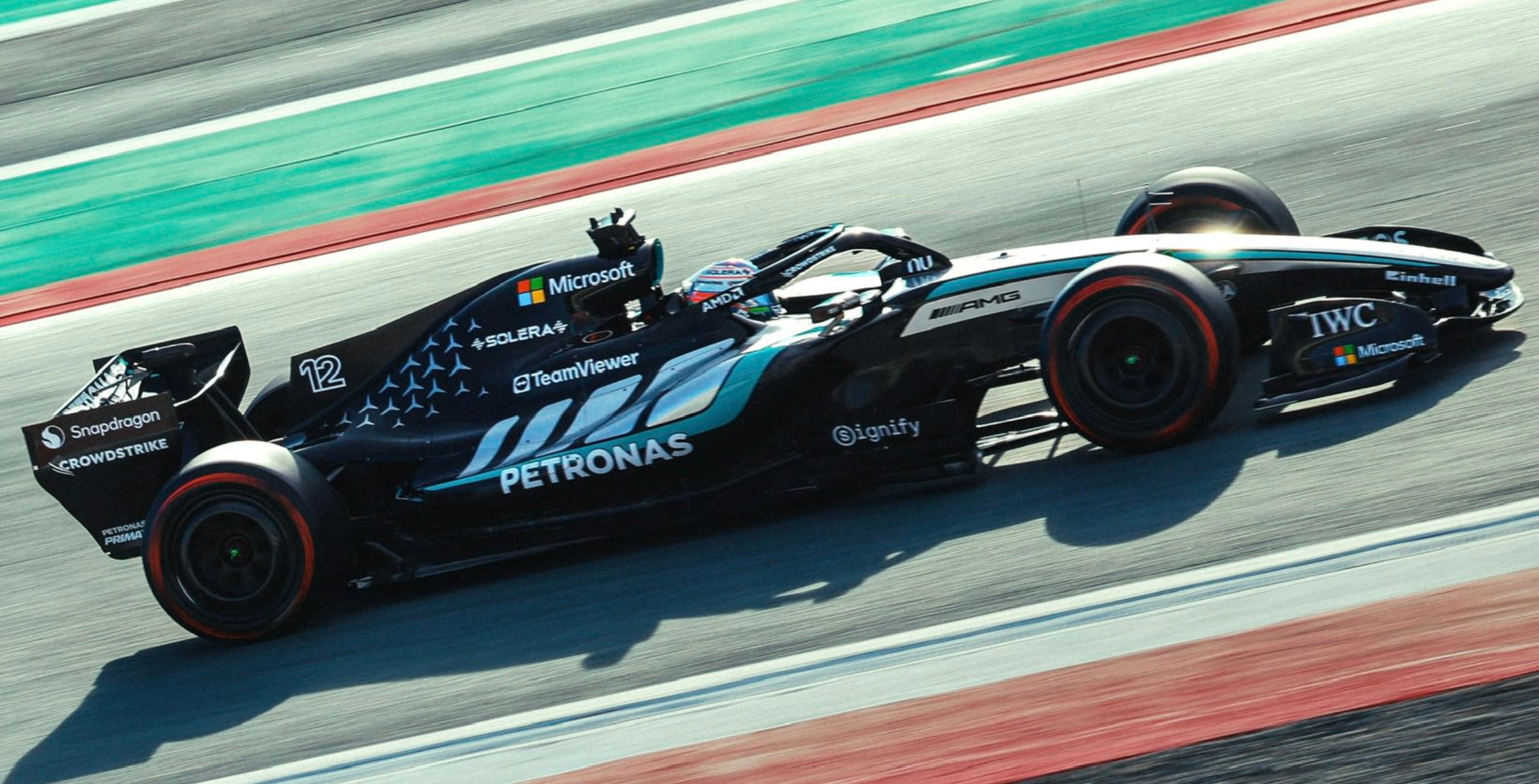
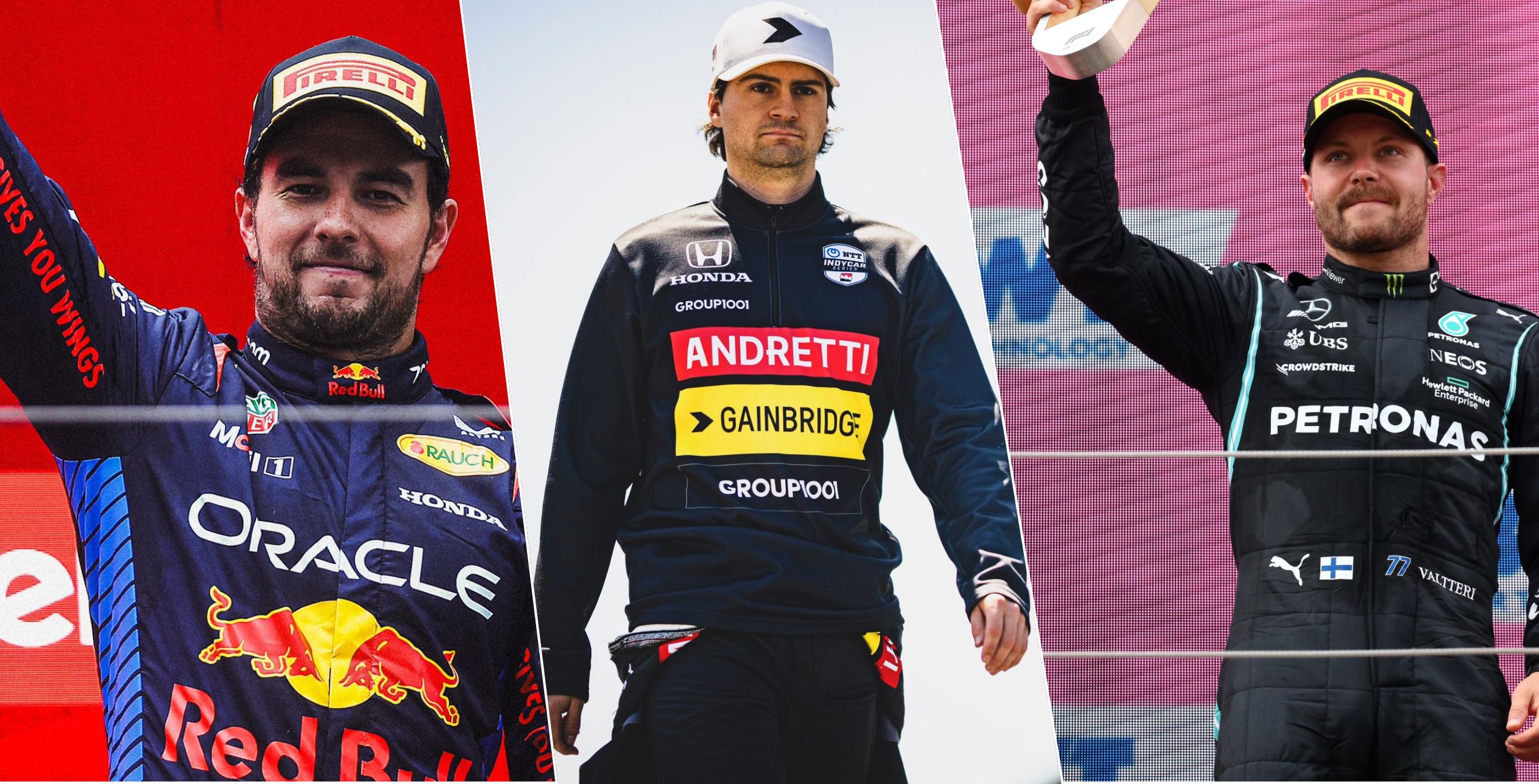
Former Mercedes and Alfa Romeo veteran Valtteri Bottas, currently serving as Mercedes reserve, has emerged as a prominent contender for one of Cadillac’s two seats. He has openly expressed his enthusiasm:
“I know my timeline… I think August is a pretty good target for [final decisions]. I see a very interesting project… start from zero… that would be very motivating and rewarding when success comes.”
Bottas remains crystal clear about his ambitions: he still has “more to give” and believes he has the pace—plus the experience—to guide a fledgling team through its formative years . He notes that Cadillac “won’t press” to finalize its driver line-up until it’s confident in the car’s progress .
With pedigree across multiple teams and racecraft honed over a decade in F1, Bottas offers both consistency and technical insight—exactly what a rookie team needs.
Checo Pérez: A Commercial and Competitive Asset
Six-time GP winner Sergio Pérez is another strong candidate. Freed from Red Bull, Pérez has reportedly entered “advanced talks” with Cadillac over a multi-year deal . He brings immense on-track experience, tire management expertise, and valuable commercial value—particularly in the North American market.
Analysts argue he would complement Bottas well, combining qualifying pace and race intuition . Insider commentary reinforces Pérez as the leading contender for the seat.
The American Contender: Colton Herta
In line with Cadillac’s brand identity, Colton Herta, the IndyCar front-runner, remains firmly in consideration. Part of the Andretti umbrella and a proven talent stateside, Herta fits the bill for an American driver:
“One of their two seats will most likely go to him… but they must keep options open.”
His success in IndyCar and developing super-license credentials make him a realistic candidate—and a key figure in bolstering Cadillac’s market appeal.
Other Possibilities: Mick Schumacher & Zhou Guanyu
Cadillac has also shortlisted other experienced or up-and-coming drivers, including Mick Schumacher, fresh off a reserve role at Mercedes. Championed by Sebastian Vettel, Schumacher offers a balance of name recognition and recent F1 exposure. Meanwhile, China’s Zhou Guanyu represents an intriguing international choice.
Team Strategy & Timeline
Cadillac’s intent is clear—the team is assembling the strongest possible pairing, blending experience with future potential:
-
Team Principal Graeme Lowdon pledged that selection would be merit-based, with no rush until the weekend of their first car rollout.
-
Ambitions for an American driver remain, but won’t overshadow CAD goal to field the best lineup.
Potential pairings:
Bottas + Herta (experience + youth), or Pérez + Herta/Bottas (proven and marketable), have been flagged as powerful combinations.
Who’s Favored?
According to F1’s Lawrence Barretto and The Race, Pérez leads the pack, owing to his race-winning credentials, and is in advanced discussions. Bottas, with his maturity and pace, is rated a strong contender for the second seat . An American pairing with Herta remains alluring, though he must first secure sufficient licence points.
Timeline
Cadillac is preparing for on-track presence by early 2026 testing. Key driver decisions are expected by August, in line with Bottas’s stated timeline . The aim: a balanced, competitive lineup ready to debut from Race 1 in Melbourne.
Final Word
Cadillac’s approach is measured and ambitious: prioritize competitive capability without sacrificing vision for the future. Whether they sign a seasoned racer like Pérez or Bottas, or blend that with American talent in Herta, 2026 promises to be one of F1’s most intriguing driver stories. The decisions finalized by late summer could set their path to becoming a formidable team—or a learning curve in the ultra-competitive world of Formula 1.