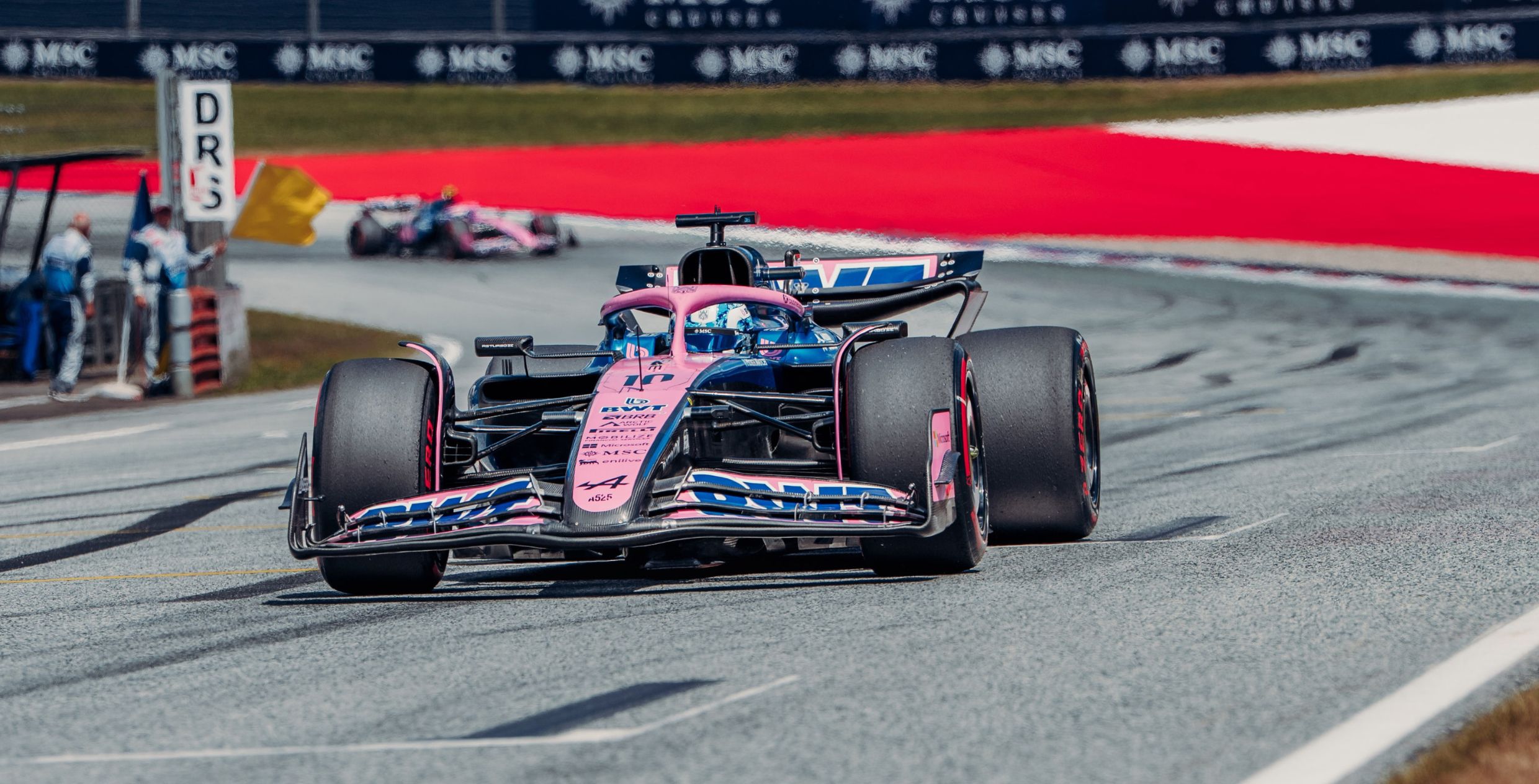
Alpine’s 2025 Formula 1 season has been one of unmet promise. After a strong end to 2024, the fledgling A525 has delivered frustrating inconsistency and lacklustre tyre performance—winds of change are needed to tackle a season slipping away.
The Broken Promises of the A525
Analysis across F1 media has pinpointed Alpine’s core weakness: a car lacking consistency and tyre durability—even if occasional flashes of qualifying pace appear. Pierre Gasly has reached Q3 six times, including an impressive P5 at Bahrain, yet then fallen out in Q1 four times. The car’s performance is too binary: either suddenly competitive or painfully slow.
Meanwhile, midfield rivals like Sauber and Williams are consolidating through strong upgrades and reliability. Alpine currently sit 10th in the constructor standings, well adrift of midfield powerhouses—marking their worst position in years.
Unravelling Inconsistency
Several contributory factors have been pinioned:
-
Tyre performance variability: The car performs well on fresh rubber but overheats rapidly—something drivers have flagged consistently.
-
Development misfires: While they introduced upgrades intended to stabilize performance, they haven’t responded consistently across tracks.
-
Team upheaval: Mid-season reshuffles—such as team principal Oliver Oakes stepping down and Flavio Briatore stepping in as executive advisor—have injected both momentum and uncertainty.
-
Driver disruption: Cycling between Jack Doohan and Franco Colapinto before settling on Colapinto mid-season (with Gasly as the constant) has affected on-track cohesion
What Went Wrong in Races?
-
Gasly struggled in one-lap performance and consistency: brilliant in qualifying sometimes, but unable to extract much in races.
-
Doohan’s demotion after six races was not merely performance-related—it reflected Alpine’s wider decision to recalibrate.
-
Colapinto, stepping in mid-season, hasn’t delivered yet—yet there is a sense he might unlock surprises when the car settles.
This turmoil has pronounced effects on confidence, feedback quality, development velocity—and overall morale.
The Path to Recovery
Here’s what could reignite Alpine’s season:
1. Rapid Tyre Window Stabilisation
Focusing on race tyre management is non-negotiable. Engineering strips must root cause thermal degradation and handling within acceptable margins, ensuring tyre longevity.
2. Targeted Upgrades Ahead of 2026 Freeze
With Alpine switching to Mercedes power units in 2026, 2025 is a pivotal “software testbed.” Gallery-quality aero and setup work now will set engine-car synergy tone for next year. Aligning upgrades with home-track data could deliver uplift.
3. Driver Continuity & Feedback Loop
Extending Colapinto across the remainder of the season gives Alrise feedback consistency. This gives him time to adapt and steer feedback-driven setup improvements—a foundation for reliability and on-track stability.
4. Operational Stability Off-track
Briatore’s presence has already rebalanced the operational structure. Retaining stability within Enstone will ensure Aug–Dec development flights can continue without disruption.
5. Midfield Team Focus
Alpine should position themselves firmly as P6–P7 contenders—leveraging circuits where the A525 can shine, then scaling up through Silverstone, Barcelona, and Spa. Incremental gains can nullify championship damage and restore momentum.
Voices from the Paddock
-
Pierre Gasly: While still finding flashes of pace, he’s called for “more flow and consistency”—suggesting car feedback is unclear and unstable.
-
Flavio Briatore: Brought in to “do what is necessary,” he noted Enstone’s leaner operation streamlines decision‑making—but admitted results need to deliver now.
-
Oscar Piastri: While now with McLaren, his radio rant aimed at Alpine (inspired by Colapinto) spoke volumes on Alpine’s visibility as impediments—an ironic twist given Alpine’s previous ambitions.
The Bigger Picture
A 2026 engine swap to Mercedes is a major positive—opening doors to stronger PU synergy and technical collaboration. If Alpine can stabilise performance now, they’ll head into next season with foundation-building upgrades and regained confidence.
However, failure to act within the next 3–5 grands prix risks the midfield placing—and driver reputations—being left behind amid a fast-moving, upgrade-heavy championship.
Conclusion: Alpine’s Moment of Truth
Alpine started 2025 with ambition and technical promise, but half a season later they’ve fallen well short. The A525 has peaks and valleys, amplified by operational tweaks and driver rotation. But control, not overdrive, is the key to turnaround.
Through tactical tyre fixes, consistent upgrades, a stable feedback line, and operational steadiness, alpine could yet climb from rock bottom. And while the terrain is steep, the summit of midfield respect—and a strong setup for 2026—awaits those bold enough to commit.
Silverstone and the next string of European races will be the crucible. If Alpine emerges, stronger and steadier, a future of podium contention (next year) will look a lot more real—and their 2025 season not a collapse, but a calculated reset.