
Stepping into F1’s limelight with Red Bull, and later reinventing himself at Williams, Alex Albon has experienced two profoundly different teammate dynamics. His recent comments offer a revealing look at how environment, experience, and mental clarity shape a driver’s growth — and how the relationship within the garage can either propel that evolution or obscure it.
Red Bull with Max: Overwhelmed by a Benchmark
Albon’s time as Max Verstappen’s teammate in 2019 remains one of his steepest learning curves. Surfacing from junior ranks at Toro Rosso, he found himself thrust into the energy of a top-tier team opposite one of F1’s most aggressive talents.
“When I was with Max, I was so consumed in just myself trying to improve… digging myself into data and understanding, ‘Okay, how can Max do this?’ and ‘How does he feel there?’”
He admits that his approach then—deeply introspective and driven—comes with a cost. Having been so new, he lacked the experience (and maybe the confidence) to ask the right technical questions or adapt effectively:
“I was inexperienced, so I didn’t really know the right questions to ask in many ways, and I never really got on top of it.”
That sense of being lost in data and doubt is relatable—the kind of rookie pressure that can stall a promising career if not checked.
Williams with Sainz: Clarity, Space, and Shared Understanding
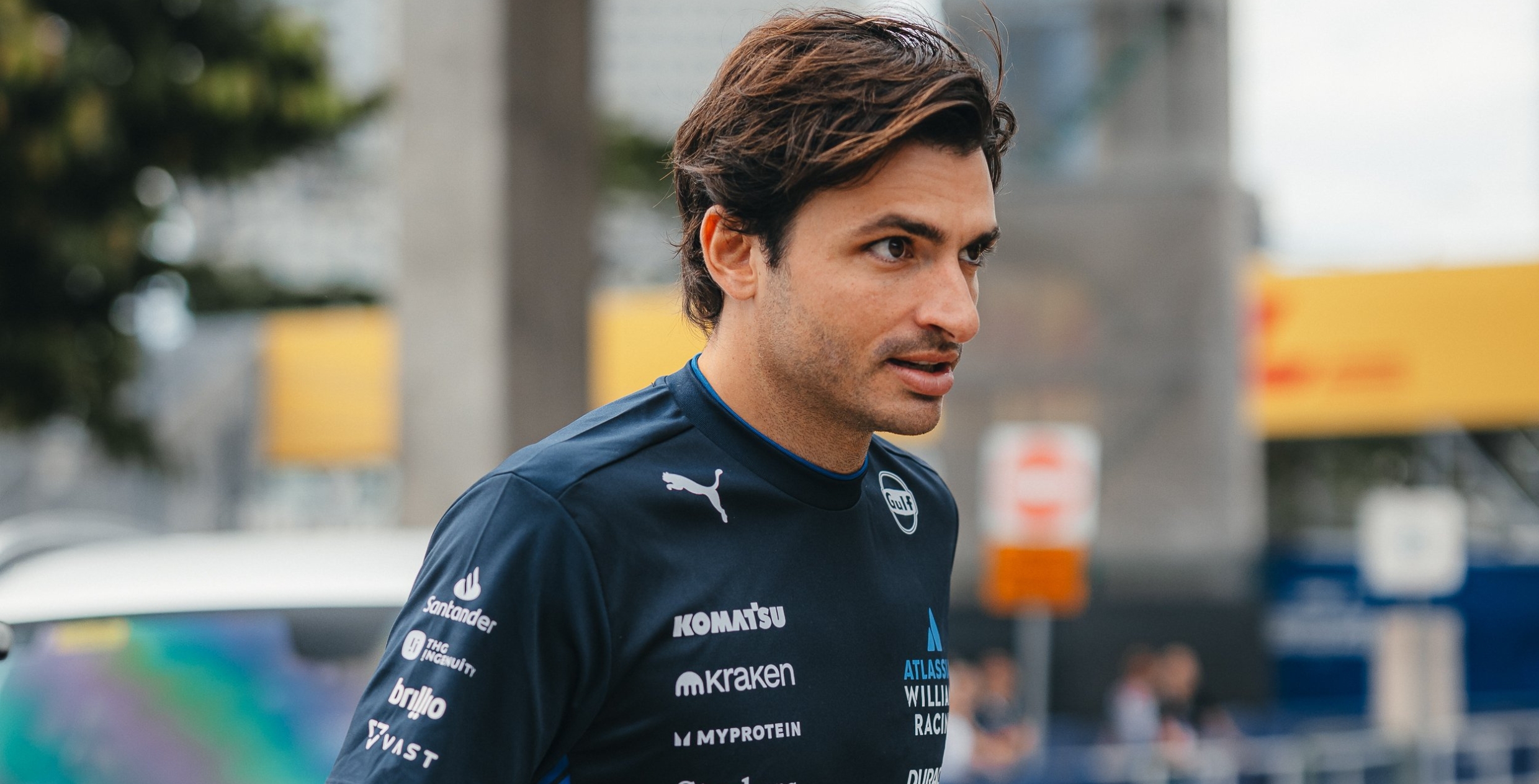
In contrast, Albon’s partnership with Carlos Sainz at Williams is characterized by clarity and collaboration. After a year out and a measured return to the grid, Albon credits his mindset and maturity for helping him take full advantage of Sainz’s presence.
“With Carlos, it’s more: I do have the bandwidth, I do have the mental space, and I do have the knowledge to understand.”
At Williams, Sainz isn’t just a teammate—he’s a partner in progress. Their relationship is grounded in mutual respect and similar work styles.
The Power of Teammate Dynamics
The contrast between the two setups illustrates how much the teammate relationship — and the environment it exists within — can impact development:
-
Red Bull: Faced with setting up behind Verstappen’s incredible pace, Albon found himself isolated in analysis rather than comprehension.
-
Williams: The shared technical language and equal footing enable Albon to understand feedback, learn quicker, and contribute meaningfully to pace improvements.
Albon’s words suggest that success in F1 isn’t just about raw speed—it hinges on psychological space, cohesive teamwork, and clear communication.
Room for Growth, Not Just Comparison
This evolution has played out in the 2025 season standings: Albon sits eighth in the championship, 38 points ahead of Sainz—proof that a healthy team environment can promote resurgence.
Williams, guided by this teammate pairing, stands firm in the midfield. They sit fifth in the Constructors’ standings, with Albon already contributing 54 out of the team’s 70 points.
Final Thoughts: Growth Through Stability
Alex Albon’s journey illustrates two roads diverging:
-
One, a grueling uphill climb against a dominant teammate—with all the stress, self-questioning, and technical isolation that entails.
-
The other, a collaborative path built on shared knowledge, experience, and a more balanced mental space.
Albon’s renaissance at Williams offers a powerful lesson: success in F1 is as much about emotional environment and collaborative intelligence as it is about talent behind the wheel.
There’s a bright path ahead for Albon—and perhaps a wider message for the sport: enough space and guidance can unlock performance, even in adversity.