Details have emerged around how live television coverage will be handled during Formula 1 pre season testing, with fans set to see only limited footage until the final test in Bahrain.
The opening phase of testing for the 2026 season looks very different to recent years. With the first running, the Barcelona shakedown, taking place entirely behind closed doors, restricted coverage will also apply to the opening three day test in Bahrain.
A Different Pre Season for 2026
The shift is driven by the scale of Formula 1’s 2026 regulation changes. New chassis rules and a radically revised power unit formula have forced teams to rethink how they prepare for the season. Instead of a straightforward three day test, teams have been granted additional mileage to cope with the complexity of the new cars.
That process begins in Barcelona, where the first collective test is being held privately. The 2026 FIA Sporting Regulations allow for a closed pre season test under Article B11.2.7. This permits a five day private collective test to take place between January 5 and January 31, organised jointly by the teams, the FIA, and the commercial rights holder.
The Barcelona test runs from January 26 to January 30, with each team allowed to participate on any three of those five days. Because the test is classed as private, there will be no live television coverage, no live timing, and no media access. Teams will share only minimal content through their own social media channels, while broadcasters will receive limited highlight clips after each day.
In the UK, Sky Sports F1 has confirmed it will air these highlights at 9 pm across its television and YouTube platforms.
Bahrain Coverage Also Reduced
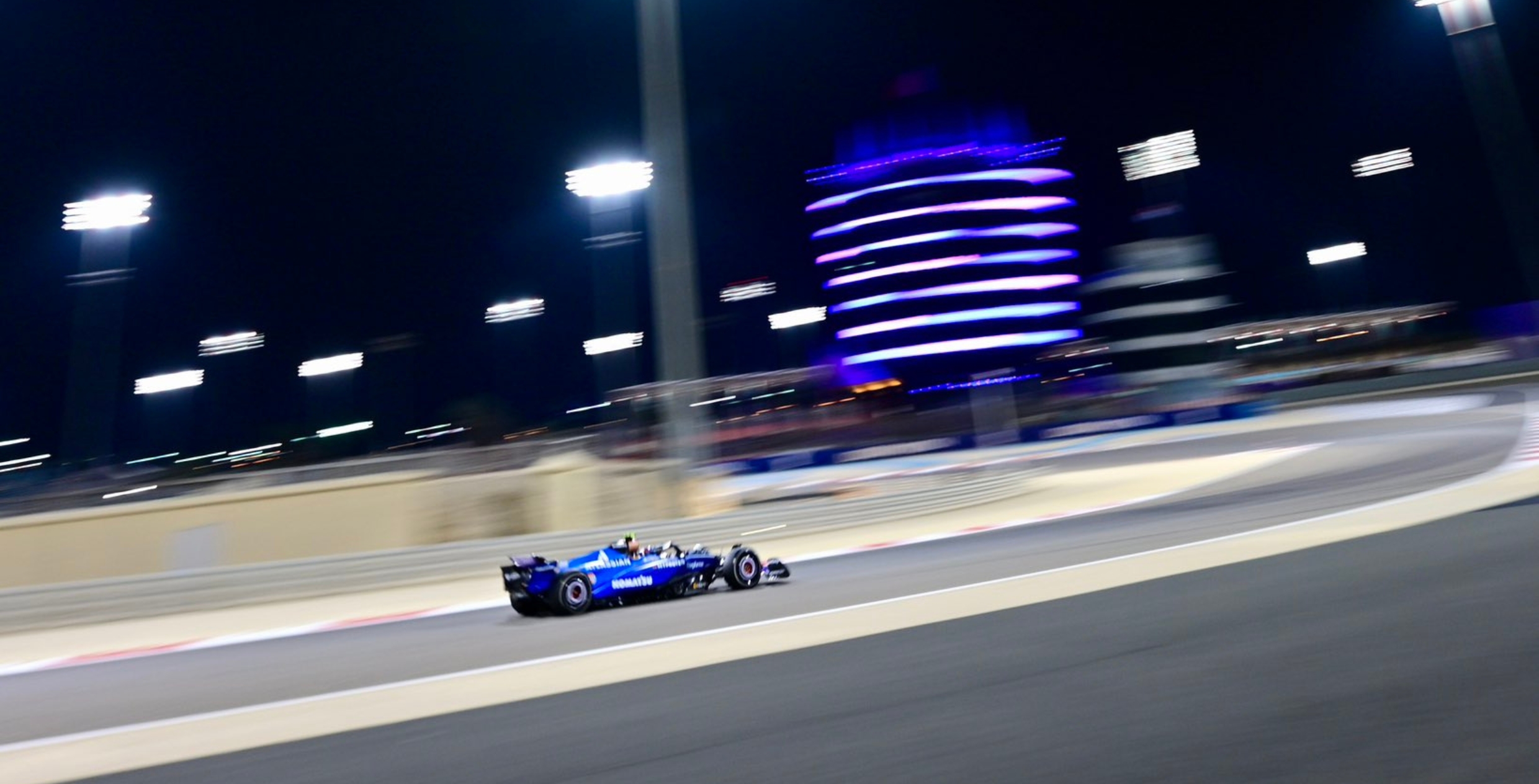
Following Barcelona, the focus shifts to Bahrain, which hosts two separate collective tests in February. In previous seasons, Bahrain testing has been fully open to media and fans, with comprehensive live coverage throughout each day.
That will not be the case this year. For the first Bahrain test, limited coverage will remain in place. While live timing will be available, television broadcasting is expected to be restricted.
The reasoning is partly technical. The commercial rights holder is using the Barcelona test to validate systems such as timing, broadcast workflows, and camera synchronisation. That process will continue into the opening Bahrain test, reducing the scope for full live coverage.
Plans are still being finalised, but current indications suggest broadcasters may only show the final hour of running each day. This would allow for a daily wrap up of on track activity rather than continuous live feeds.
Full Coverage Comes Later
It is only during the second Bahrain test, scheduled for February 18 to 20, that full live coverage is expected to return. By that stage, teams are likely to be closer to performance running rather than pure systems checks and reliability work.
Sources close to the paddock suggest the decision reflects a desire to manage expectations. In recent years, extensive test coverage has created the impression of meaningful competition, when testing is primarily about data gathering, validation, and problem solving.
For 2026, those realities are amplified. Teams face an enormous technical workload, especially around the new power units. Long spells in the garage are expected as engineers analyse data, address issues, and make adjustments. Periods with no cars on track are likely to be common during both the Barcelona test and the first Bahrain outing.
A Phased Approach
Rather than risk over saturating audiences with sessions lacking visible action, Formula 1 has opted for a gradual ramp up in coverage. Teams are said to support this approach, preferring to focus on preparation without the pressure of constant live scrutiny.
By the time full coverage begins at the final Bahrain test, cars should be closer to race ready form, offering a clearer picture of performance ahead of the season opener. Until then, fans will need to be patient as the groundwork for the 2026 campaign quietly takes shape behind the scenes.