Williams team principal James Vowles has revealed that several proposals are already being discussed to improve Formula 1’s new 2026 cars after early criticism from drivers and fans.
The sport’s major regulation overhaul has placed a much heavier emphasis on electrical power within the hybrid systems, which has created new challenges for teams and drivers. One of the most widely discussed issues has been energy management, with drivers frequently running out of battery power during a lap.
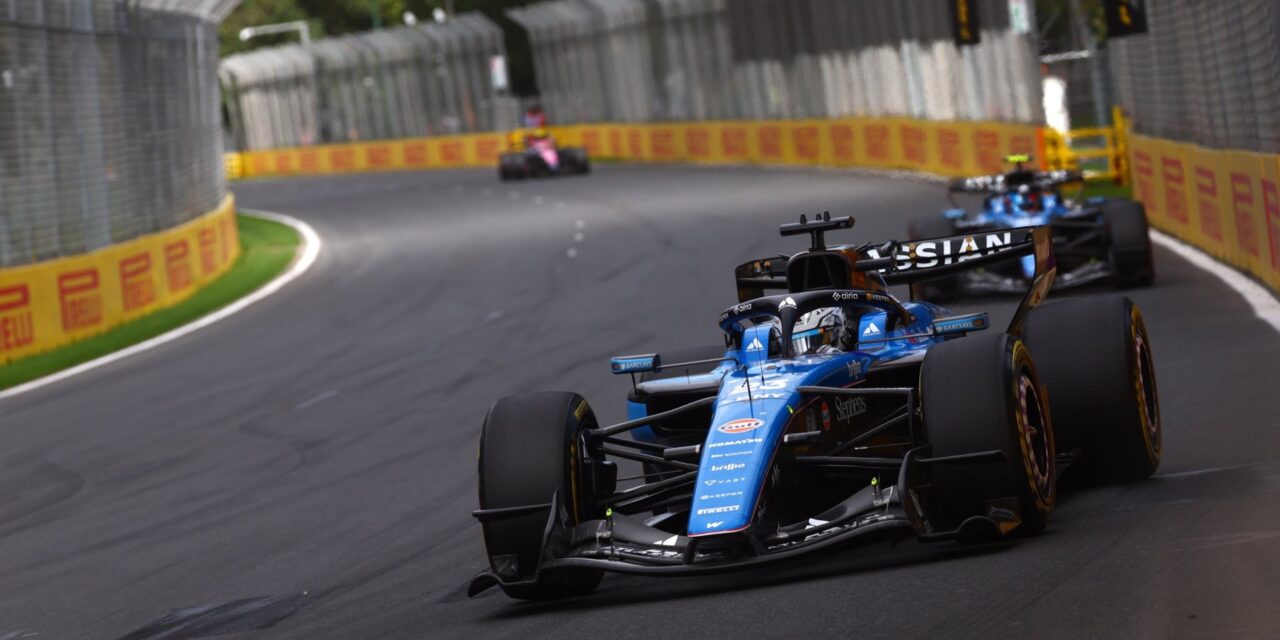
This problem was particularly visible at the season opening Australian Grand Prix at Albert Park. The circuit’s layout, which features relatively few heavy braking zones, meant drivers struggled to recover enough energy, leaving cars losing speed even while drivers remained on full throttle.
During the Melbourne weekend, several drivers openly called for adjustments to the regulations in order to improve the racing. However, some figures within the paddock have suggested it may be difficult to introduce changes mid season given the time and resources invested in developing the current rules.
What James Vowles Had To Say
Vowles acknowledged the concerns but said the sport is already evaluating multiple solutions.
“If you go stand by the side of the road, which is what I did in Bahrain, they’re still Formula 1 cars and we’re still Formula 1 racing. Those are the facts behind it,” Vowles explained.
“Can we improve on it? Yes. Before we went into Bahrain, what we all said was, ‘Are we in the right place? No. Do we know exactly what’s changed to make it better? No. Let’s go through these two races, including a sprint race, and then actively change these rules to be in a solid place afterwards.’
“I’m not sure yet, but are we in a perfect spot? No. I think we are a little bit energy-starved, and we have to remember this is probably the top three in terms of worst tracks for it.
“But, irrespective, is this what we want to show as a sport? No. We want it to be in a slightly better place.
“So, there’s about four or five different proposals on the table. We’re going to go through the next few races, just see really what works and what doesn’t work. But watch this space. I’m sure as a sport we’ll come together and change the right way.”
One suggestion raised during the Australian Grand Prix weekend involved increasing the level of “super clipping” from 250kW to 350kW. This change would redirect some energy generated while the car is at full throttle back into the battery rather than sending it entirely to the rear wheels.
Although such a change could slightly reduce top speed, it would also allow drivers to maintain power for longer sections of the lap and reduce the need to lift off the throttle before braking zones.
Vowles believes there are also other technical areas that could be adjusted if necessary, but stressed that the sport must be careful not to introduce changes too quickly.
“There are things we can do with the ICE as well. It’s just how extreme we want to be going in these measures,” said the Briton.
“I think the worst thing we can do is change it and make it worse. So there has to be an amount of making sure that we are positively affecting the sport, and there are ways of doing that within it.
“Is it enough? As I said, you’re on one of the three worst tracks here for energy. It might be as bad in Shanghai. That’s where I want to see it and see what it ends up with. It won’t be as bad at Suzuka, for example. So, we’re just going to make sure that what we’re delivering still ends up being a sport and one that’s enjoyable to watch.
“Have we made it too complicated? Yes. Fundamentally, let’s be frank about it. But do we have a good Formula 1 product? I still think we do.”
Any potential adjustments to the regulations are unlikely to happen immediately, with Vowles indicating that discussions will continue through the next few races. The sport is expected to analyse how the cars perform at upcoming events such as the Chinese and Japanese Grands Prix before making any decisions on rule changes.