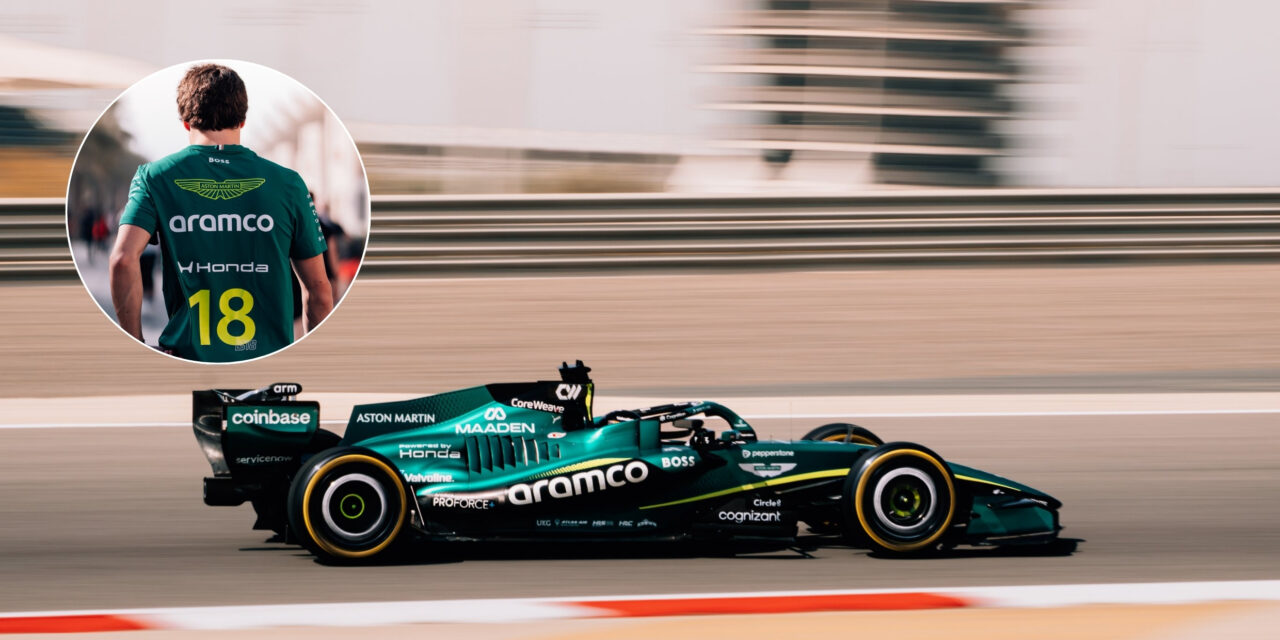
Aston Martin may be forced to limit its running during the Australian Grand Prix weekend as severe vibrations from its Honda power unit continue to cause major problems for the team.
The issue has already disrupted the team’s preparations for the 2026 season. Aston Martin arrived late to the Barcelona shakedown and then struggled during pre season testing in Bahrain, where the vibration problems severely limited track time.
Heading into Melbourne, the team has warned that the AMR26 could again be restricted in how much running it completes.
Team principal Adrian Newey explained that the situation could even lead to early retirements during the race in order to protect the drivers. The problem originates from the Honda engine but spreads throughout the car due to the stiffness of the carbon fibre chassis.
These vibrations are not only damaging components, including the car’s new energy store, but also creating serious discomfort for the drivers.
As a precaution, Aston Martin may limit Lance Stroll and Fernando Alonso to roughly 20 laps during sessions in Melbourne to reduce the risk of nerve damage to their hands caused by the intense vibrations.
Stroll described the sensation in stark terms when asked to compare it to something a normal person might understand.
“I don’t know how you can compare it,” the Canadian said. “I guess just electrocute yourself on a chair or something like that, not far off.
“It’s just, it’s very uncomfortable vibrations. It’s bad for the engine, but also for the human inside the car. We need to get on top of it, but I think we will.”
The vibrations from the Honda power unit are transmitted through the extremely rigid Formula 1 chassis, which means the issue quickly affects other parts of the car. Components such as mirrors have reportedly begun working loose as the vibrations travel through the structure.
Aston Martin and Honda are now working together urgently to resolve the issue before the weekend progresses.
Stroll admitted the team does not expect to be fully competitive immediately but remains hopeful that the changes introduced since testing will help improve the situation.
“Are we going to be where we want to be this weekend? No,” he added. “Bahrain was only a couple of weeks ago, and these changes don’t happen over night. But, we made some changes over the last couple of weeks and we’ll see how we go.
“It’s not good. We’re trying to get on top of it, fix it. We have some ideas this week to solve some of those issues, and we’ll see in FP1 if it’s better than it was in Bahrain.”