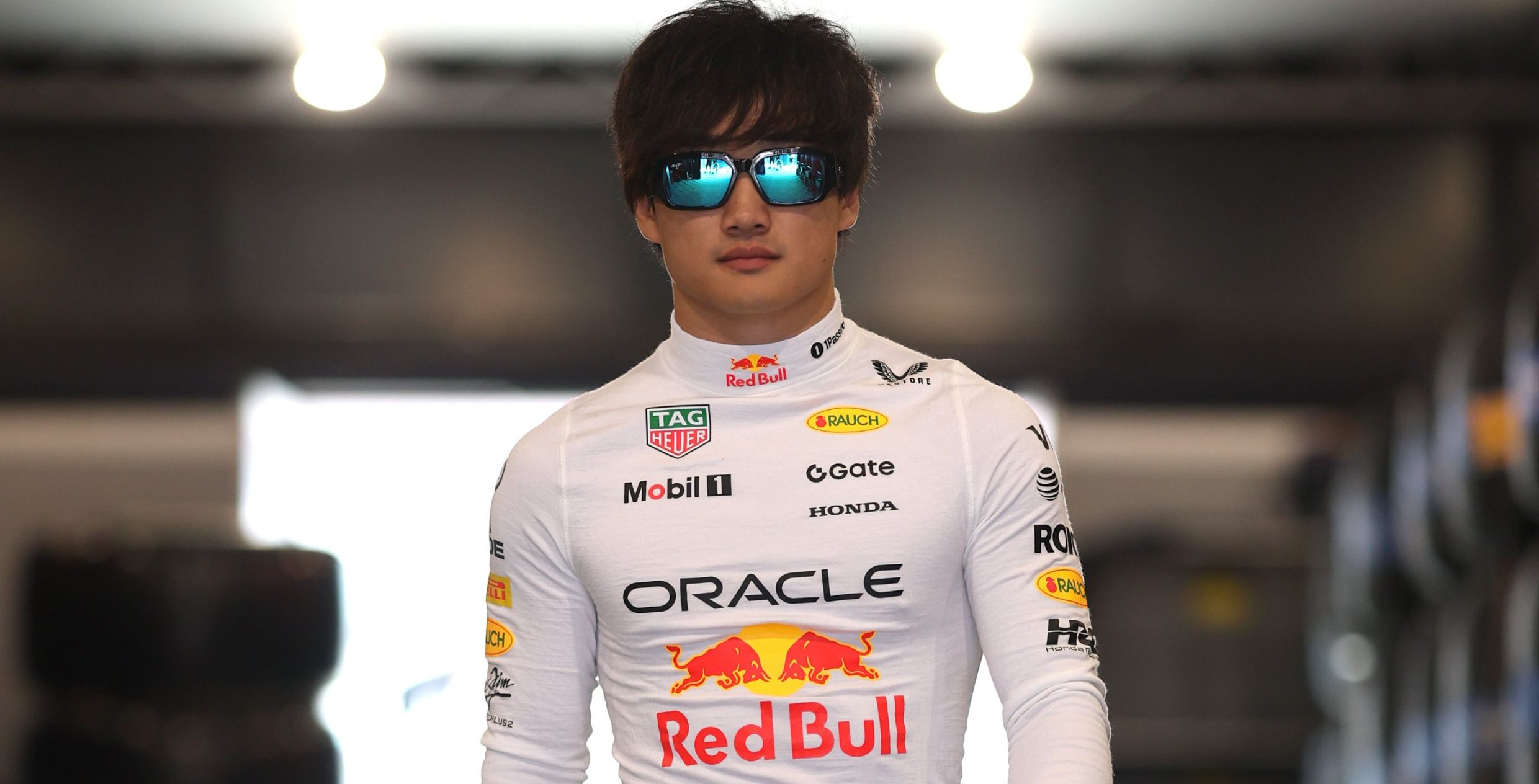
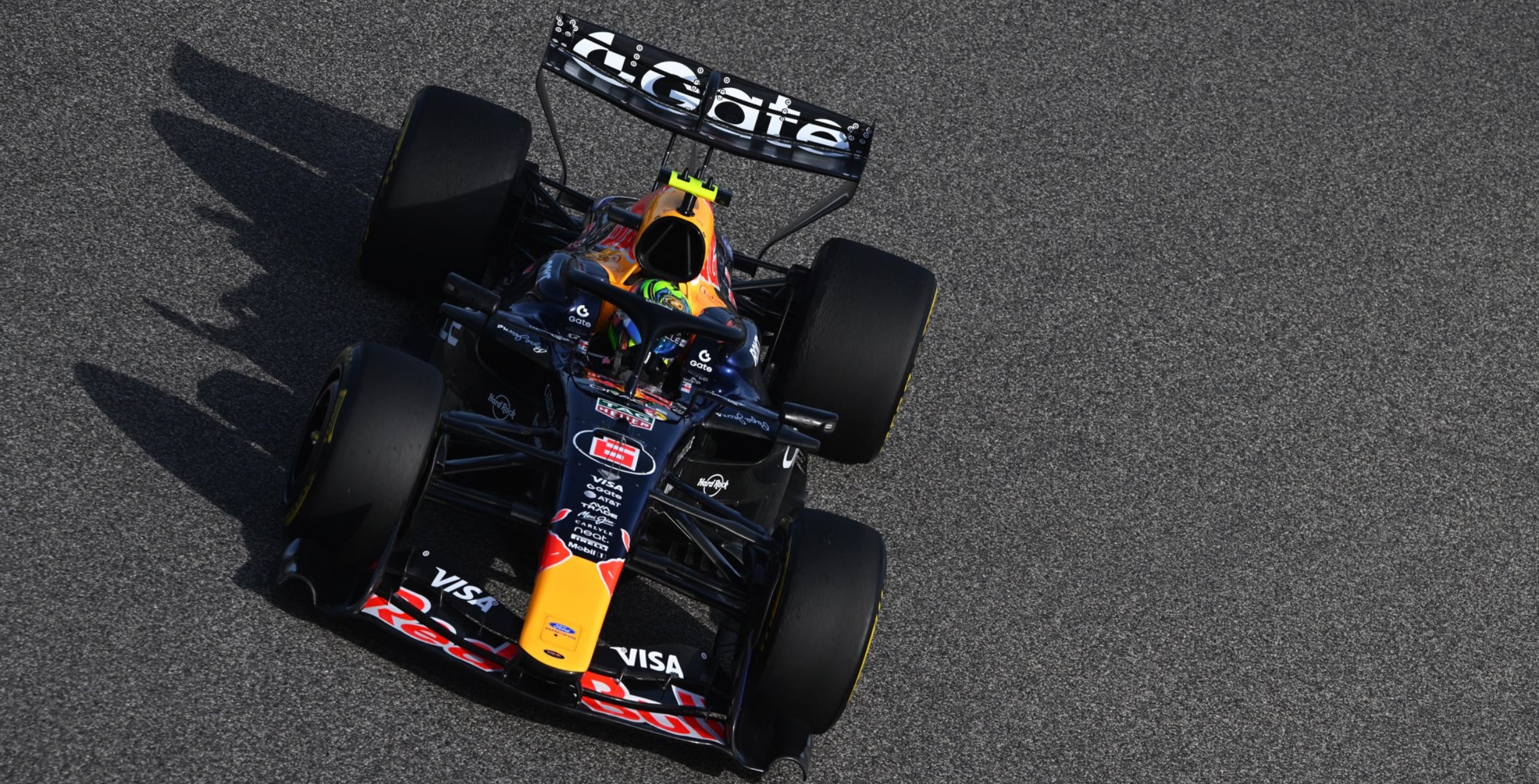
Red Bull technical director Pierre Wache has played down Toto Wolff’s suggestion that the Milton Keynes squad is “the benchmark” heading into the 2026 Formula 1 season, insisting that three rival teams currently look quicker based on early analysis.
As winter testing continues in Bahrain, no team appears eager to wear the favourites tag. Mercedes boss Toto Wolff recently pointed to Red Bull as the team to beat, but that claim has not been warmly received inside the Red Bull camp.
Max Verstappen even hinted at potential sandbagging from Mercedes, saying: “Just wait until Melbourne and see how much power they suddenly find. I already know that right now.”
Ferrari, Mercedes and McLaren Ahead?
Wache was equally direct when assessing Red Bull’s current position relative to its rivals.
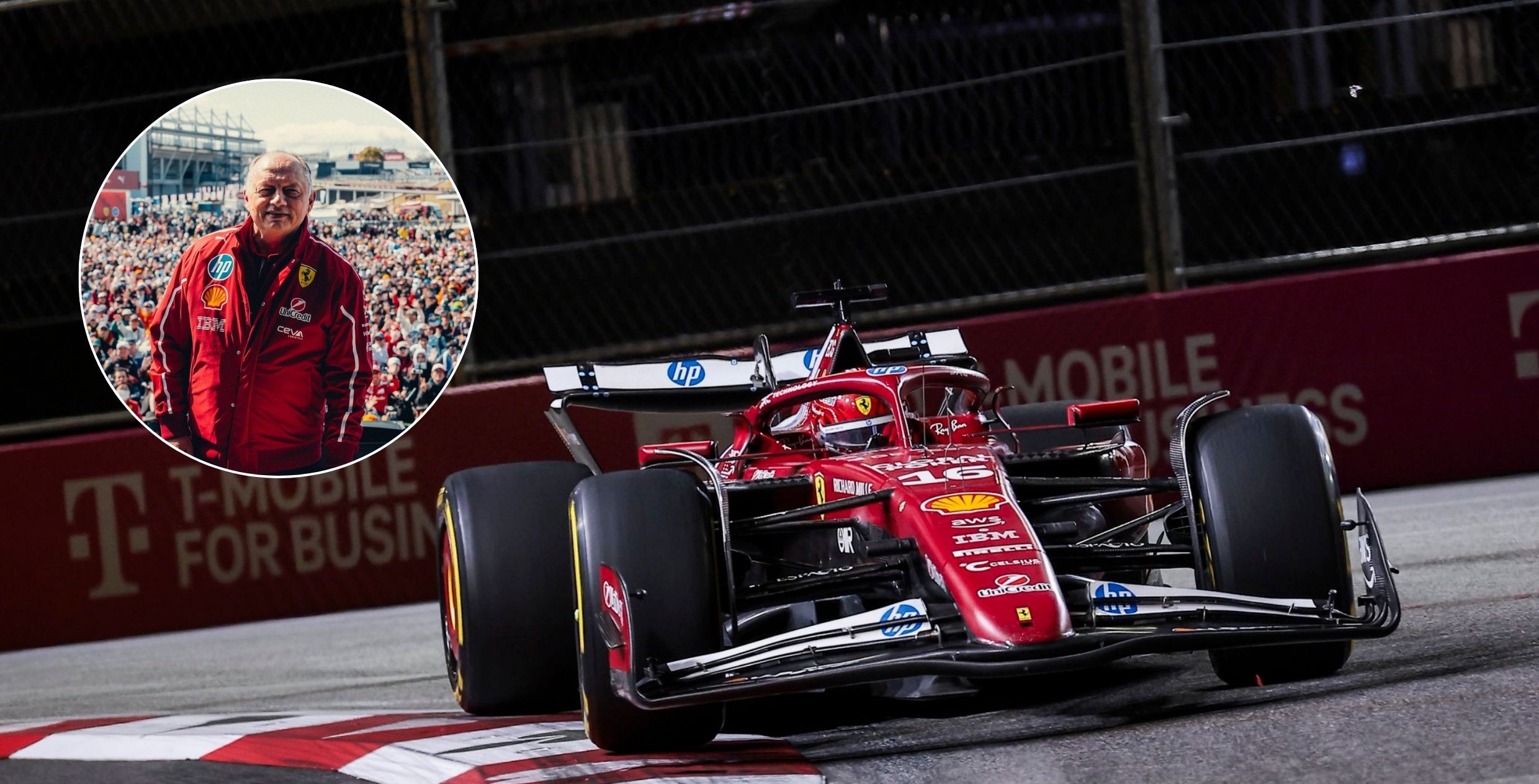
“It’s difficult to say [where we are], but we are not the benchmark for sure. We clearly see the top three teams; Ferrari, Mercedes and McLaren are in front of us. It looks like, from what our analysis is, that we are behind.
“That’s where we think we are, but it’s difficult to say about the others because of the run plan of everybody, the level of fuel they run, the level of power they run. It’s difficult to say, but this is currently our analysis – that it could be wrong to be honest. We don’t spend too much time on that, we try to focus on how to improve our runs.”
Despite Red Bull’s strong reputation under regulation changes, Wache admitted there is still work to be done.
“I’m never happy with my own work! Clearly, we have some improvements to do, some challenges around this type of regulation. With the level of grip that is quite low, and the level of downforce that is very low. The challenge to manage the traction after low-speed [corners] is very high, and that could be one of the keys.”
Traction Still a Weakness
According to Wache, low-speed performance remains an area where Red Bull is trailing its competitors.
“I think clearly in low-speed traction they look very strong. Some straight-line speeds are also interesting from Ferrari and Mercedes, especially on low fuel. The problem is that the assessment of the performance is difficult until we are on the same, exactly the same, fuel level during qualifying in Melbourne.
“We clearly see some weaknesses in our car, and we relate it to these weaknesses and the feedback that we have from Max and Isack [Hadjar] on the car, based on where we lose time to the others. And that is why I’m saying this. Clearly, traction at low speed and medium-speed corners – that was not our strength already last year – and they are still stronger than us there.”
Power Unit Progress
While rivals have praised Red Bull-Ford’s early energy deployment performance, Wache suggested the advantage may not be as clear-cut anymore.
“It’s difficult to say. It’s true that during the first day especially, we were a little bit closer to what we should have. Then you start to see the tendency of the others going into the same direction, and now even, I would say, a little bit better than us.
“I think maybe our factory people and our simulation people in the factory found it quicker, not the optimal, but the un-optimal [way of doing it]. The others were taking a little bit more time to achieve that, but at the moment I would not say that anymore.”
That said, Wache was full of praise for the work done by Red Bull-Ford Powertrains on its new DM01 engine.
“I’m surprised that the engine people did a fantastic job in being able to put a car together and run so many miles.
“We have to recognise the fantastic job that the engine people have done. And to be able, as a start-up – because it is a start-up of three and a half years – to make an engine, to not be stupid on the track is a massive achievement.”
With Melbourne now fast approaching, Red Bull may not be accepting the benchmark label just yet, but the early signs suggest the competitive picture in 2026 is anything but clear.