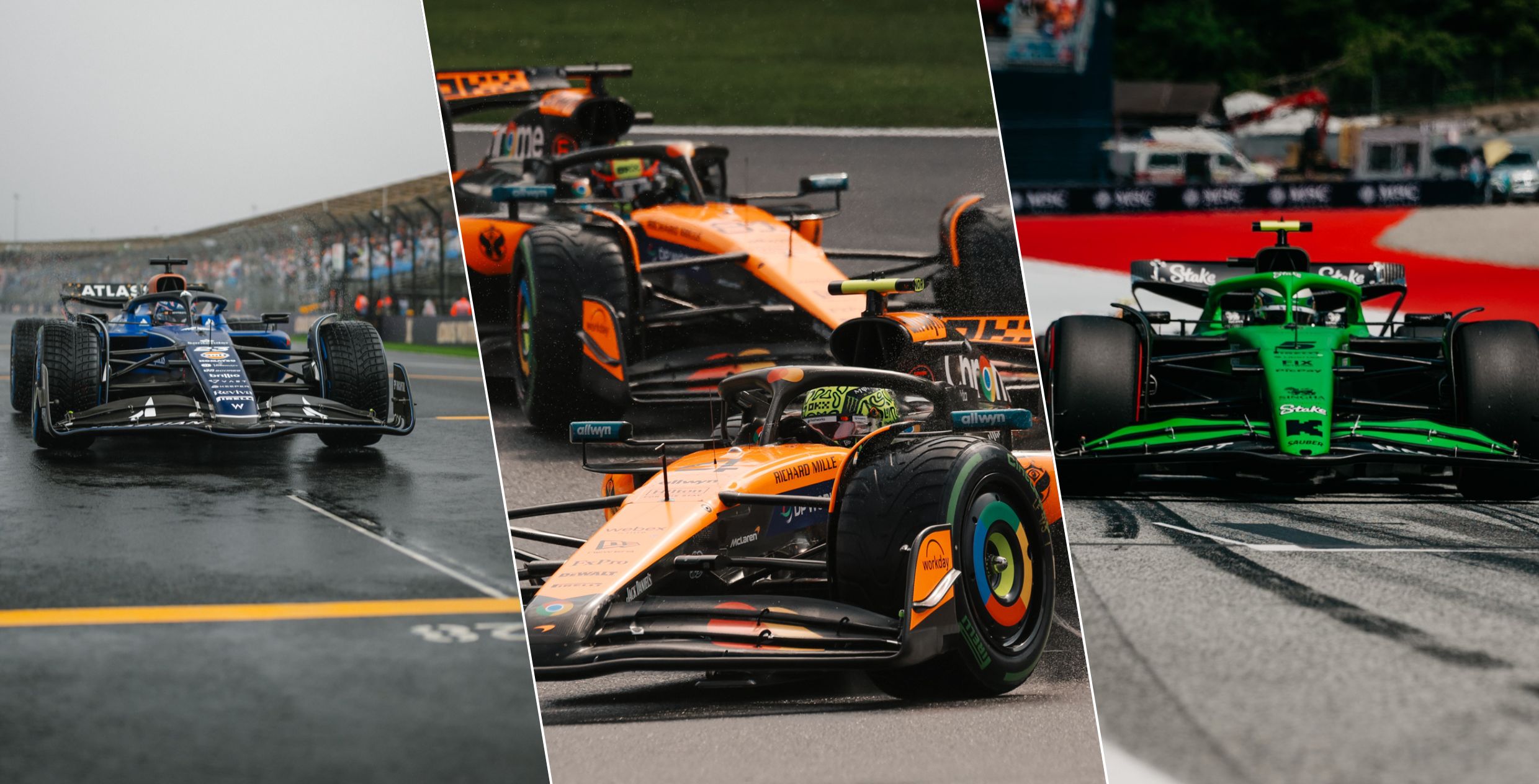

Mercedes team principal Toto Wolff has delivered a glowing verdict on Formula 1’s new 2026 regulations, suggesting the latest generation of cars finally “look like Formula 1 cars again”.
With just over a month remaining until all 11 teams roll out their brand-new machines at the season-opening Australian Grand Prix in Melbourne, Wolff shared his thoughts on the sweeping regulation changes during Mercedes’ official 2026 launch.
The rules overhaul, first announced back in 2024, has been a long time coming. Given the scale of the changes, spanning both chassis and power unit concepts, several teams shifted development focus unusually early, making the anticipation for 2026 feel longer than most regulation cycles.
Pre-season speculation has placed Mercedes near the front of the field, and when Wolff was asked to identify the strengths and weaknesses of the new regulations, he struggled to find any flaws at all.
“I don’t see any worse points,” Wolff, the longest-serving active team principal on the grid, said. “I’m not overselling here or trying to make a product better than it is.
“But I think the cars are awesome. They look spectacular. They look like Formula 1 cars again. They’re not too small, they’re not too big. They’re not like the whales of the past. The aesthetics are very good.”
Wolff also praised the new power unit concept, particularly the way energy deployment can now create dramatic speed differentials on the straights, something that was evident during the Barcelona shakedown.
“I like the engine concept in terms of the boost. George [Russell] went past [Franco] Colapinto [in the Barcelona shakedown] whilst Colapinto was doing his long runs, I think it was like 60 kilometres straight line speed difference and that is super exciting.”
According to Wolff, these elements should significantly improve racing quality, ushering in an era with more overtaking than fans have seen in recent seasons.
“We are going to see much more overtaking,” the 54-year-old said. “We’re going to see it in areas that we wouldn’t expect it.
“Apart from the fact of the quickest cars, the best drivers, it’s also gonna have this additional dimension of intelligent driving and tactics that are going to be easy to understand, in my opinion, for Formula 1.
“So, so far, I haven’t really seen any negatives and again, I wouldn’t bulls**t or oversell anything that I don’t believe. For me so far, it’s ticked all the boxes.”
When the conversation turned to championship prospects under the new rules, Wolff was careful not to single out a favourite. Instead, he suggested success will come down to intelligence, adaptability and strategic execution, not just outright pace.
“I think the pre-investment in tools and in simulations and doing the correlation work will be beneficial,” he said. “But in the same way, the learning curve will be steep. Once we see what the others do, we will better understand.
“It was quite interesting to see on the Ferrari and on the Red Bull the way they were managing energy in Barcelona. It was different to us. It wasn’t better, but it was just different.”
That variety, Wolff believes, will define early races as teams discover strengths and weaknesses in real-world conditions.
“So I think learning from seeing the others, the challenges in the races where we realise ‘hold on a minute. We’re on Sunday, we haven’t mapped it in the way you’re winning races.’
“Maybe we’ve mapped it for a quick lap, and then suddenly you fall back. So the most clever guys in the car and on the engineering side are going to win.”
As Formula 1 prepares to usher in one of the most significant technical resets in its history, Wolff’s confidence suggests Mercedes sees opportunity rather than uncertainty, and believes the 2026 rules could deliver both better racing and a true test of ingenuity.